

Pain And Suffering Are Not The Same Thing
People who carry the most are rarely suffering from the weight itself, they're suffering from the story they tell themselves about what it means to carry it. An ontological coach unpacks the difference between pain and suffering.

As an executive coach, one realisation I have from listening to different stories is this: people who carry the most are rarely suffering from the weight itself. They are suffering from the story they tell themselves about what it means to carry the weight.
There is a kind of person who, when something goes wrong, a missed target, a struggling family member, a team that didn't quite hold together, immediately turns inward and asks: What did I do, or not do, that allowed this to happen?
The question arrives quietly, almost before the situation has finished unfolding. It is fast and habitual, a reaction belonging to someone who doesn't let things slip.
Underneath that reflex is something worth examining closely. Because that immediate assumption of responsibility for a certain outcome is more than just a recurring thinking pattern. Over time, it becomes a way of living. And it produces a very specific kind of suffering that is almost impossible to see from the outside.
Pain and suffering are not the same thing
There is a distinction that is worth making and this distinction is what this article is about.
Pain is biological. It is the actual load: the long hours, the invisible decisions, the emotional weight of being the person others lean on. Pain is real. It lives in the body. It accumulates. It is honest about what is being asked of a person.
Suffering is different. Suffering is the narrative the mind constructs around the pain. It is the meaning the observer attaches to the experience. It is the interpretation that turns a heavy load into a verdict about the self.
Pain says: this is hard. Suffering says: this is hard because something is wrong with me, or I am failing the people who depend on me, or I am not enough.
Pain
The actual, lived experience. It is what is real in the body and life.
The exhaustion of constant vigilance
The weight of decisions others don't see
The fatigue of absorbing others' anxiety
The physical cost of holding things together
Suffering
The narrative the observer builds around the pain.
"If I don't hold this, it will fall apart"
"This outcome means I have failed them"
"I should have seen this coming"
"I am just not good enough"
Pain is often unavoidable. Suffering, in this sense, is not. It is constructed, often not deliberately or consciously, but constructed nonetheless. And the people who carry the most “suffering” tend to be the most prolific builders of it.
An Example: What pain actually looks like
There are people who are wired towards carrying deep responsibility. These people often carry real pain across three layers simultaneously.
The first is commonly known as the mental load.
There is a constant anticipating what could go wrong, tracking details others have long stopped monitoring, planning for contingencies that may never arrive but must be prepared for anyway. This is the cognitive overhead of someone who has appointed themselves the person who notices.
The second is the emotional load.
There is the absorbing of the anxiety, frustration, and volatility of those around them so others don't have to. When the room gets tense, they are the ones who steady it. When someone is struggling, they are the first to recalibrate their own presence to make space. They don't do this because they were asked. They do it because it would feel irresponsible not to.
The third is what I call the invisible burden.
There are the decisions made before anyone else realised a decision was needed. The problem quietly defused. The conflict gently redirected. The gap filled before it became visible. This is the most tiring layer of all, because it is the one that receives the least acknowledgment. You cannot be thanked for a crisis that never happened.
Together, these three layers don't just create a heavy workload. They constitute genuine pain. They create a particular way of living when one is in autopilot mode.
Where the suffering begins
But the three layers are also where the pain becomes suffering.
For many carrying this load, the weight itself is not what creates the suffering. It is the story running underneath it. It is the quiet, continuous narrative that says: This is what it means to be responsible. When something goes wrong despite what I have done, then it’s probably because I have not done enough.
That narrative does something precise and damaging. It takes every negative outcome and converts it into a verdict about the self.
The load produces the pain. The self-verdict produces the suffering. This is the distinction.
And yet the two are so thoroughly entangled that most people carrying both cannot tell where one ends and the other begins.
What makes this particularly hard to see is the gap between how these people appear to others and how they experience themselves.
How others see them
Competent and dependable
Calm under pressure
The person who gets things done
A reliable anchor for others
How they experience themselves
Perpetually on the hook and reacting to situations.
Not doing enough.
Quietly bracing for things that can go wrong
Feeling guilty when they take a rest
Why the suffering survives every practical fix
The standard advice for people in this position is usually practical: delegate more to others, set boundaries, learn to say no, stop carrying what isn't yours to carry.
But the practical advice often addresses only the pain rather than the suffering. And when suffering is the deeper problem, changing behaviour without changing the narrative underneath it produces only short-term relief. The person delegates one task and quietly absorbs three others. The person sets a boundary and then spends three days monitoring whether it caused harm. The person rests for a weekend and comes back not refreshed but guilty.
The behaviour changes. The verdict remains. And so the suffering continues, now with the added layer of wondering why the advice isn't working.
Suffering is not a workload problem. It is an observer problem. Suffering lives in the layer of meaning, interpretation, and identity that sits beneath every action the person takes.
What changes when the narrative changes?
Ontological work addresses the suffering experienced by the observer.
It is about seeing clearly the pain that is real, legitimate and worth acknowledging. It is also about seeing clearly the suffering, the added layer of narrative the mind has woven around the pain so thoroughly that it feels like the same thing.
In the ontological coaching work, the focus is not on caring less. It is about seeing with precision.
When the invisible layer of suffering becomes visible, something happens within. The load does not disappear. Instead, the space between the load and the suffering enlarges. Over time, the load stops producing a verdict. The person can carry what genuinely belongs to them, cleanly and consciously, without the continuous background judgment that they are still not carrying enough. And the story that does not belong begins, slowly, to be put down from the place of clarity.
Responsibility remains. The suffering attached to it does not have to.
So if you are someone who resonates with the above, the verdict you have attached to your pain can be re-written.
That verdict is a story. And it was never the truth about you. You are allowed to put it down.
Written by Victor Seet
Activator • Communication • Strategic • Self-Assurance • Command
Victor Seet is an executive coach and facilitator based in Singapore. He holds the ICF PCC credential and ACTC, is a Newfield Certified Ontological Coach, and is the world's only coach to have held both the Gallup Gold and Platinum Certified CliftonStrengths Coach distinctions. He works with leaders, teams, and parents on the structural conditions, not just the behaviours, that shape how people lead and live.

The Body Remembers
Before you can think, your body has already responded. A tightness. A withdrawal. A need to explain. These are not random reactions. They are patterns the body has learned and practised over years. Noticing them is where a different kind of self-awareness begins.

We often think of the past as something we can recall.
A memory. A story. Something we can describe if we try hard enough. But much of our past does not live in our thoughts. It lives in our body. It shows up in ways we do not always understand.
A sudden tightness when someone raises their voice.
A sense of hesitation when we are about to speak up.
A need to explain ourselves, even when no one is asking.
These reactions can feel immediate, almost automatic. Before we have time to think, the body has already responded. And sometimes, we are left wondering, “Why did I react like that?”
I see this most often in my marriage. A comment made by the spouse could lead to a disproportionate reaction from me.
We tend to explain these moments logically.
“I’m just tired.”
“It’s been a long day.”
“The person was being difficult.”
And sometimes, those explanations are true. But more often than not, they are incomplete. Because the intensity of our reaction does not always match what is happening in front of us.
Something small happens, but our response feels big.
Something neutral happens, but we feel defensive.
Something simple is said, but we feel the need to withdraw.
It is as if the body is responding to more than just the present moment.
What the Body Has Learned
In Singapore, many of us grew up in environments where certain ways of being were expected.
Respect authority. Do not talk back. Do not make unnecessary trouble. Follow the rules.
These are not wrong. They have helped many of us move through life in structured and predictable ways.
But over time, the body learns.
It learns when it is safer to stay quiet. It learns when speaking up leads to discomfort. It learns how to brace, how to adapt, how to fit in.
And the thing about learning like this is that it does not disappear just because we grow older or wiser. It does not disappear after a conflict, even when we choose to forgive.
In many moments, when facing a boss, a loved one, or even a difficult conversation, the body responds first. Not because we have consciously chosen it, but because something in us recognises the situation.
A bit like taking the MRT during peak hour. Even before the train arrives, our body already knows what to expect - where to stand, when to move, how to position ourselves to get in. We do not think about it. We just do it.
In the same way, the body has been “practising” for years. Practising how to respond. Practising how to protect. Practising how to belong.
So when a familiar situation appears, the body does not wait for analysis. It acts intuitively.
It is a kind of intelligence rather than a flaw.
Patterns We Call “Who We Are”
The body is trying to take care of us, using what it has learned. But sometimes, what it has learned is no longer useful for who we are today.
The body that helped us navigate school may not serve us in leadership.
The body that helped us avoid conflict at home may limit us in our relationships now.
The body that helped us “keep the peace” may come at the cost of being honest.
And yet, the body continues to act because it has not been updated.
The difficulty is that we often relate to these reactions as just who we are - “I’m not the kind who speaks up. I’m just bad at difficult conversations. I’m naturally like that.”
But what if these are not fixed traits? What if they are patterns the body has learned over time? Patterns that once made sense. Patterns that once protected us. Patterns that we are now outgrowing.
Noticing these patterns is about becoming aware of how this intelligence still lives in us and how it might be incoherent with who we want to become.
These patterns appear in small moments - the message we rewrite multiple times before sending, the conversation we avoid, even though we know it matters, the tasks we dislike doing and procrastinate on.
On the surface, these look like everyday behaviours. And if we are willing to stay curious, even for a moment, we might begin to notice something more.
Not a clear story. Not a full explanation. Just a sense that this reaction feels familiar. As if we have been here before.
A Different Kind of Listening
This is where a different kind of listening begins. In ontological coaching, this is called “listening to the body”. It is listening for the pattern in how our body reacts.
Not asking, “What should I do?” but gently wondering, “What is my body remembering here?” Sometimes, nothing obvious comes up. But the act of noticing itself starts to create space.
We might start to notice that small gap between what we feel and how we automatically respond. And in that gap, something new becomes possible.
We may still feel the urge to speak, but choose to listen a little longer. We may still feel the urge to judge, but choose to remain curious a little longer. We may still feel the urge to withdraw, but stay present just a bit more.
And over time, the body does what it has always done. It learns again through new experiences.
Experiences where speaking up does not lead to rejection, but to new possibilities. Experiences where honesty does not break the relationship, but leads to deeper trust. Experiences where slowing down does not mean getting less done, but allows for deeper connection with others.
These moments begin to reshape what the body expects.
Perhaps this is part of the work - to recognise that we are not just thinking beings, but embodied beings. That our way of being today is shaped not only by what we believe, but by what we have lived through. And that change is not only about new ideas, but new embodied experiences.
And in noticing that, we begin to shift from conceptual self-awareness to embodied self-awareness. Perhaps that is the real question - not just "Who am I?" but "What is my body still remembering?"
Continue Reading — The Ontological Coaching Series:
Interested in experiencing 1-1 ontological coaching firsthand? Learn more here.
Written by Victor Seet
Victor facilitates teams to leverage their collective strengths, get clear on ways of engagement and ways of working to strengthen team and interpersonal dynamics. Victor specializes in integrating strengths-based and ontological approach into his team coaching and leadership workshops.

Listening to the Body - The Body Knows First
The body flags disruption long before the mind has words for it. This is about learning to listen to what it is already telling you.

We learn a lot about listening - listen to understand, listen with empathy, active listening. They share quite similar concepts and practices. This article is about something different. It is about listening to the body.
Our body actually flags disruptions. It gives us data. But disruptions rarely arrive as insights. They arrive as discomfort. Frustration. A sense of flatness we cannot explain. The feeling that we are doing the right things, but something essential is missing.
We might not call it a signal at first. It just feels like “one of those weeks.” Or months.
When we override the signals
I ignored the signs for a long time. The recurring stress at work and at home pushed me toward unhealthy eating. Snacks, burgers, pratas, and steak. They became a way to cope - something warm, something familiar, something that did not ask questions. I gained weight. My sleep and mood suffered.
At some point, it stopped feeling like a phase and started feeling like a pattern.
In Singapore, many of us were raised to push through difficulty rather than sit with it. So we work longer. We push harder. We optimise. Even rest becomes something to get right. We plan a holiday and treat it like another project - itinerary, timings, food spots all mapped out. We tell ourselves we are tired, not stuck.
And because life in Singapore moves quickly, it’s easy to blend in. From the outside, it feels like everyone is rushing for the MRT, rushing from place to place, rushing to queue for food. It feels normal to clear emails late into the night. Everyone is trying to keep up. So we assume what we are feeling is normal.
But the body is a more honest observer than the story we are telling ourselves.
A tightness in the chest.
A heaviness when we wake up.
A hesitation before a certain conversation.
A recurring dread before certain tasks.
These are not random. They are not inconveniences to suppress or explain away. They are the first vocabulary of something important trying to surface.
Noticing What We Have Missed
The challenge is that we often do not speak this language.
We are more fluent in explaining, justifying, and analysing. We can give very good reasons for why we are stressed, why we cannot slow down, why things have to be this way. But when it comes to simply noticing what is happening in the body, we hesitate.
It can feel unproductive. Even uncomfortable.
So we do what we know how to do. We override.
We push through the tightness.
We distract from the fatigue.
We scroll when things feel too quiet.
A bit like being at a buffet, already full, but still eating more because it’s what everyone else is doing. We don’t pause long enough to ask if we should continue eating.
As a parent of three, I am starting to pay more attention, especially to how I show up with my kids.
I notice that I can be physically present with my children while being entirely absent, my attention consumed by the very anxieties I am trying to outrun. When my child says, “you are always on your phone,” I could deflect with my work responsibilities. I could explain the the deadlines and the job expectations. But what’s underneath that complaint is often true.
Something in me has gone automatic.
Something in me has become so habitual that I can no longer feel it.
And it is often the body that reveals this first. Not as a clear thought, but as a subtle disconnection. A lack of warmth. A sense that we are going through the motions of something that used to feel alive.
We might notice it in small moments - sitting at the dinner table, hearing the conversation but not really being there. Walking beside someone we love, yet feeling a distance we cannot explain.
These are subtle but real signals.
Listening to Our Body as a Practice
The body is trying to bring us back. Back to what matters. Back to what we are avoiding. Back to what we have stopped noticing.
But listening to our body is not something most of us were taught.
We were taught to think clearly, to speak properly, to behave appropriately. The body, on the other hand, can feel like the stick holding the lollipop. The lollipop is the brain, and the body is just “a thing” to hold it up.
What might change if we related to our body sensations differently, as an ongoing practice?
Not as interruptions, but as invitations.
An invitation to pause, even briefly, in the middle of a busy day.
An invitation to notice what is happening without immediately fixing it.
An invitation to ask, quietly, “what is this trying to show me?”
Nothing dramatic happens. There are no big, visible breakthroughs. But something shifts within us.
We become a little more present.
A little less automatic.
And over time, this small shift changes the way we move through our days.
Like choosing to be in the moment instead of rushing off. While the environment and the people we interact with are more or less the same, but our way of being is now different because of the small shift. We start to experience what was always available, but rarely noticed in the past.
New possibilities now open up - possibilities to bless others with an act of service, to smile at someone, to acknowledge a colleague’s actions or to say something kind to a neighbour.
And perhaps this is what listening with the body can bring.
And for me, those possibilities open up a whole new world to breathe in.
Continue Reading — The Ontological Coaching Series:
Written by Victor Seet
Victor facilitates teams to leverage their collective strengths, get clear on ways of engagement and ways of working to strengthen team and interpersonal dynamics. Victor specializes in integrating strengths-based and ontological approach into his team coaching and leadership workshops.

The Way of Being - Why How You Show Up Shapes What Becomes Possible
Most leadership behaviour change does not last beyond a quarter. The reason is structural - the Way of Being. Here is what it takes to make change actually hold.

By Victor Seet — Ontological & CliftonStrengths Coach, Singapore
For years, leadership was something I did to influence others. The conversations I had with others. The decisions I made to effect change. The strategies I rolled out for the team. I optimised the doing relentlessly, and for a long time it worked.
Then I noticed something uncomfortable. The same type of conversations, held by me on a good day and a bad day, produced completely different results, even when the words were almost identical. My team was not actually responding to what I was saying. They were responding to who I was being while I said it. I noticed how my wife responded to me in different situations. Similarly, I noticed how my kids responded to me.
I started paying attention to Way of Being. And it remains, in my experience, the most overlooked variable in workplaces today. It is also, I have come to believe, the real reason most behaviour change does not last.
What Way of Being Actually Means
In ontological coaching, Way of Being is not a personality, a mood of the day, or a set of values you wrote on a slide. It is the structural coherence of three domains that have settled in every human being over time.
Language is how we speak, and what we say to ourselves when no one is listening. Mood is the emotions we carry, the ones so familiar we no longer notice them. Body is how we hold our shoulders, our jaw, our breath, our posture, the way our chest tightens before certain conversations.
These three are always operating. We just rarely notice them. As I shared in an earlier piece, most of what shapes us stays transparent until something cracks the lens. Way of Being lives in that same transparent territory. We are being someone right now as we read this article. We just are not paying attention to it.
And here is what makes it structural rather than situational. Our Way of Being did not get assembled this morning. It got built quietly over years, out of what was rewarded, what was punished, the survival strategies that worked when we were young and somehow stayed. By the time we are adults leading a team, our Way of Being is the deep coherence underneath every interaction we have. It does not change because we read a good article or attended a workshop.
Why This Matters More Than We Admit
At work, we are often very good at the what. We optimise. We restructure. We KPI. We send people for training. We create new processes and systems.
What we tend to miss is that two leaders with identical strategies will produce wildly different cultures, because they carry different bodies into the room, speak from different moods, and run different internal language. The strategy did not change the outcome. The Way of Being did.
This is also why so many leadership development efforts produce a short-lived high. The workshop teaches a new behaviour. The leader returns to the office. The body is the same. The internal language is the same. The mood is the same. Within two weeks, the new behaviour has been quietly absorbed back into the old Way of Being, and nothing has actually changed.
Behaviour change without Way of Being change will be shortlived. I believe I have done enough CliftonStrengths workshops to say that. And I say transparently that the workshop feedback I get is very consistent. The workshop feedback is fantastic. The check-in feedback a few months later says everything went back to normal.
Whatever insights learnt and applied from the workshop is sustainable for a quarter at most.
The Invisible Triad at Work
Let me make this concrete with two examples.
A senior manager says she keeps getting feedback that her team finds her intimidating. She does not understand it. She does not raise her voice. She does not scold. So we slow down. We examine her body. Her arms cross frequently. She leans to the front most of the time in our conversations as if she is ready to pounce. Her shoulders are pulled up. Her jaw is set. We examine her language. Her words tend to be corporate speak, and formal. She often begins with "actually" and "no" and uses a lot of “you”. We examine her mood. She is in a low-grade impatience most of the day.
She had no idea. Her team has been reading her body and mood long before they hear her words. None of this is what she is doing. It is who she is being.
Another example. A founder tells me he wants to build a more innovative culture. He runs ideation sessions. He sets up Slack channels. He buys whiteboards. Innovation does not come. So we look at his Way of Being in those rooms. His body disposition shows his energy is often channelled downwards, like roots going deep into the ground. His language is heavy with "but" and "the issue is" and often evaluative. His mood is suspicion dressed up as rigour. His team has learned, without anyone saying it, that ideas get torn down and punctured quickly.
Why Structure Matters: The Limit of Insight
Here is the part many coaching conversations skip past. I have done that often too.
In a good session, a client can have a moment of genuine seeing. “Oh! I have been intimidating my team. Oh! I have been shooting down every idea. Oh! I have been listening to respond rather than to understand.”
The lens cracks. Something opens.
But the seeing alone does not change anything yet. Because the structure that produced the old way of seeing is still intact. The body has not moved. The mood has not shifted. The internal language is still running its old loops. In a week, and sometime days, the structure quietly reasserts itself, and the insight from the previous coaching session feels like a memory.
This is why Way of Being work cannot stop at insight. The insight is the doorway. The work is the slow expansion of the structure itself - new bodily practices, new mood disciplines, new linguistic moves, until the structure can hold a different way of seeing as its new default.
This is also why ontological coaching takes time. I have stopped doing one-off or even a pair of coaching sessions. We can open a new way of seeing in a single conversation. We cannot install a new Way of Being in a single conversation. The structure is older than that and will not be hurried.
A Closing Invitation
The question is not, what should I do differently this week?
The deeper question, the one that takes time to even hear properly, is this. Who am I being at work, in my marriage, with my children, with myself? And is that who I want to be?
The answer rarely comes in one sitting. But the willingness to ask it, gently and honestly, is already the first crack in the structure.
In the next piece, I will explore what sits on top of Way of Being - the Observer we become because of it, and why shifting how we see is both the easiest and the hardest part of this work.
Continue Reading — The Ontological Coaching Series:
Interested in experiencing ontological coaching firsthand? To explore 1-1 ontological coaching, enquire here.
Written by Victor Seet
Activator • Communication • Strategic • Self-Assurance • Command

Shame is the Most Hidden Mood in Any Workplace — and It Shapes More Than We Realise
Shame is hard to talk about because it doesn't want to be seen. Where resentment leaks sideways and anger announces itself, shame works quietly underneath. This piece goes a layer deeper than my earlier writings on shame, into the distinction between the emotion and mood of shame, and what that mood does to how we see ourselves, our work, and the people around us.

I have written before about how shame forms in a shame and honor culture, and how it shows up in the language and behaviours of the workplace. This one builds on the last two and hopefully goes a layer deeper. It is about what shame does to us as observers, to the very lens through which we see ourselves, our work, and the people around us.
Shame is not just an emotion that comes and goes. It is a way of seeing.
Shame is hard to talk about because it doesn't want to be seen. That is its nature. Where resentment leaks out sideways and anger announces itself, shame works quietly underneath. It bends what we notice, what we say, what we dare to attempt. And by the time we feel its effects, it has usually been at work for a long time.
The Emotion of Shame and the Mood of Shame
This is a distinction worth knowing. The emotion of shame is a moment. Something happens, a public correction or an idea dismissed in front of others, and there is a wave of shame that moves through us. The chest tightens. The face warms. We want to disappear. The wave is uncomfortable, but it passes. The emotion does its work and moves on once the event is over.
The mood of shame is something else entirely. It is shame that has stopped being a visitor and become a resident. It is no longer something we feel. It is something we live in, often without realising it. The walls of our room are made of shame, and we live inside the room long enough that we mistake the walls for the world.
When we are in the mood of shame, we are not having a shame reaction to a specific event. We are already in shame before the event happens. This is a key distinction. A colleague's feedback is read through shame. The boss's silence in the meeting is read through shame. The mistake in a submission is interpreted through shame. There does not need to be a triggering moment, because the mood is already there, doing the interpreting in advance.
In my own life, the mood of shame was largely invisible to me for years. I blamed others for their behaviours. I thought my self-criticism was high standards. It took a breakdown and the slow work of ontological coaching for me to see that I had been living inside a mood, not seeing the world.
The mood of shame is dangerous in workplaces precisely because it is invisible to the one inside it. Emotions are tied to events. Moods are what we live in. And what we live in, we tend not to question.
How the Mood of Shame Looks in Workplaces
The mood of shame at work does not look like sadness or visible distress. It often looks like something else entirely.
Sometimes it looks like the high-performing colleague who cannot rest. Works through every weekend, takes on every extra project. From the outside, dedication. From the inside, the mood whispering if I stop, I will be exposed.
Sometimes it looks like the leader who cannot let anything go. Every detail must pass through them. From the outside, high standards. From the inside, if something fails, the inner voice whispers “I am a failure”.
Sometimes it looks like the team member who caveats every statement with "I'm not sure but…" From the outside, humility. From the inside, the mood negotiating in advance for safety from judgment.
Sometimes it looks like charm. The person everyone likes. From the outside, emotional intelligence. From the inside, the mood keeping itself safe through being liked.
Do these behaviours mean they are 100% expressions of shame? Absolutely not! That is the thing about the mood of shame. The narratives are visible mostly to the people inside the mood, who are doing what the mood asks of them.
Shame as an Observer
In ontological coaching, we talk about the observer - the one who sees, interprets, and acts in the world. Different observers see different worlds. The shame observer sees a particular kind of world.
In the world of the shame observer, every interaction is a verdict. Every silence from a colleague is read as disapproval. Every email without a greeting is read as cold. The key distinction is that the data which others hold loosely - maybe she's just having a busy morning - the shame observer holds tightly, with weight and finality.
I noticed this in myself when I went for counselling a couple of years ago. I shared with the counsellor about a difficult workshop where the feedback had several critical comments. While some will see that as data to improve, I read those comments with a small voice in my head that has been there since I was fourteen. It was a voice of ridicule, telling me I was lousy. I spent weeks in a quiet contraction that I could not explain.
That is the shame observer at work. The same words, on the same page, become entirely different things depending on the lens we read them through.
What the Mood of Shame Does to a Team
When the mood of shame settles into a team, certain things stop happening. As a team coach, I have learnt to identify certain recurring patterns. Here are some notable ones:
People stop asking questions in meetings, because asking a question would expose them - admitting they did not know, fear of being scolded, fear of wasting other colleagues’ precious work time.
People stop volunteering for stretch projects, because failure is intolerable.
People stop bringing half-formed ideas, because ideas at work must arrive fully formed and bulletproof.
What gets lost is everything that depends on a willingness to be seen as unfinished:
Curiosity. Experimentation. Real collaboration. Genuine learning. All of these require the ability to sit in the unknown in front of others. The mood of shame makes that impossible.
The team keeps functioning. Reports get filed. Targets get hit. But the energy in the room is managing exposure and failures rather than advancing the actual work. And we often cannot tell the difference, because both look like activity.
Four Practices to Work With Shame
Notice the body first. Before we try to think our way through a shame moment, we find the physical signal. Where did we tighten? When did our breath change? The body knows before the mind does.
Name it specifically."I am in shame right now because _____." Here’s an example "I am in shame right now because my manager gave me critical feedback on my report, and I am hearing it as a verdict on who I am rather than what I did.”
The specificity is what creates distance. Shame thrives on the vague.
Ask whether this is the emotion or the mood.
"Did something just happen, or have I been carrying this all week?" The answer changes what kind of work is needed.
Tell one safe person. Shame is a relational wound, and it heals relationally. One witness, well chosen, breaks something open.
Shame is the emotion most workplaces never learn to see. But it is shaping the room whether or not we name it. It shapes what gets said, what gets risked, who gets heard, and who quietly checks out.
The question worth sitting with is not how do I make shame disappear? Instead, I recommend this - "What would become possible here if shame had less power over how we see each other?"
Continue Reading — The Emotions at Workplaces Series:
Interested in experiencing ontological coaching firsthand? Explore 1-1 coaching with Victor here.
Written by Victor Seet
Activator • Communication • Strategic • Self-Assurance • Command
As a Gallup and Newfield Certified Leadership Coach in Singapore, Victor is passionate about helping people be better observer of themselves to achieve the results they want, especially in the area of well-being and performance. Victor intentionally integrates the strengths-based and ontological approach into his leadership coaching and workshops.

Resentment Is One of the Most Expensive Emotions in Any Workplace
A leader once told me he had been "a bit frustrated" with his director for nearly two years. By the end of our conversation, he could see it was not frustration at all. It was resentment and it had quietly been shaping every decision he made at work.

By Victor Seet, ICF (PCC, ACTC). Newfield Certified ontological coach and Gallup Gold and Platinum Certified CliftonStrengths Coach. Based in Singapore.
A few years ago, I sat across a senior manager who told me, almost in passing, that he had been "a bit frustrated" with his director for nearly two years. He said it the way you might mention a sore knee. Manageable. Liveable. Background noise.
But as we kept talking, something else came out. He shared that he had stopped offering ideas in meetings. He had quietly turned down two projects he would have once jumped at. He told his wife he was thinking of leaving the organization. To him, none of these actions were connected. They were just things that had happened.
By the end of our conversation, he saw things differently. What he had been calling "frustration" for two years was actually resentment. And the moment he had a different word for it, the whole picture revealed itself with greater clarity.
Nothing in his work situation had changed in that hour. But something in him had.
Frustration and resentment are not the same thing
Most of us were taught one big word for difficult feelings at work - “frustrated”.
We use it for many things. Traffic on the way to a client meeting. A teammate who keeps missing deadlines. A boss who keeps interrupting whenever someone presents an idea.
But frustration and resentment are actually two very different things, and they ask for very different responses.
Frustration is fresh. It is the small jolt of energy when something gets in your way. You feel it, you say something or you adjust, and it passes. Frustration moves.
Resentment does not move. Resentment is what frustration becomes when it is swallowed too many times. It is anger that was never given permission to speak. And once it settles in, it stops looking like an emotion. It starts looking like your personality. Your cynicism. Your "this is just how I am at work now."
The leader I was speaking with had been treating resentment as if it were frustration for two years. No wonder nothing had shifted.
Why this matters more at work than we think
Resentment is expensive in the workplace because of how quietly it shows up.
It rarely arrives as an outburst. It arrives as the team member who has stopped putting their hand up. The senior who has stopped mentoring. The high performer whose effort has gone from 110 percent to a precise 70. The colleague who agrees in the meeting and then quietly does the opposite.
Most managers read these as performance issues. Or attitude problems. Or signs that someone has become "less engaged."
But underneath, very often, is something simpler. A contribution that was never seen. A boundary that was never shared. A need that never found language. A small moment of being passed over that was never repaired.
The problem is not that people are quietly resentful at work. The problem is that most workplaces have only one distinction for what is happening — disengagement — and so the actual signal gets missed.
What resentment is really pointing to
In the ontological tradition I work in, every emotion is treated as information. Resentment is no exception.
When you sit with resentment honestly, it usually points to one of three things.
Sometimes it points to a request that was never made. You wanted something from your boss, your colleague, your spouse — and instead of asking, you waited. Hoped they would notice. They did not. Now you are upset with them for not reading your mind.
Sometimes it points to a boundary that was never declared. You said yes when you meant no. You took on the extra project, the extra weekend, the extra emotional labour. And then you resented the person who asked, even though you were the one who said yes.
Sometimes it points to a moment of harm that was never repaired. Something happened — a comment, a decision, a being-passed-over — and no one ever came back to acknowledge it. So you carry it. And it keeps colouring everything that comes after.
None of these are fixable from the outside. But all of them become workable the moment you can name which one you are dealing with.
Three practices to work with resentment
These are practices I use with my own clients, and that I have come back to in my own life more than once.
Write the letter you will never send. Sit down and write the full, unedited version of what you wish you could say. No one needs to read it. The point is not to deliver it. The point is to give the resentment somewhere to go that is not your body and not your behaviour at work.
Name it precisely. Try saying out loud, "I resent _____ because I needed _____ and it was not there." Specificity does something that vague reflection cannot. The moment you name what was actually missing, you have something you can act on.
Bring it to a witness. A coach, a trusted friend, a peer. Resentment loses its grip when it is heard. Not advised on. Not solved. Just heard. This is part of why so many people start to feel different in coaching long before anything in their situation has changed.
The distinction that changes everything
Once you can tell frustration from resentment in yourself, you start to notice it in others too. The colleague who has gone quiet. The team member who used to push back and no longer does. The friend who keeps making the same complaint about the same person, year after year.
These are not character flaws. They are signals. The world has not changed. Your distinctions grew.
And once that happens, you can never quite go back to not seeing.
Continue Reading — The Emotions at Workplaces Series:
Interested in experiencing ontological coaching firsthand? Explore 1-1 coaching with Victor here.
Written by Victor Seet
Activator • Communication • Strategic • Self-Assurance • Command
As a Gallup and Newfield Certified Leadership Coach in Singapore, Victor is passionate about helping people be better observer of themselves to achieve the results they want, especially in the area of well-being and performance. Victor intentionally integrates the strengths-based and ontological approach into his leadership coaching and workshops.

Interpreting Emotions Using the Chinese Language
The Chinese language encodes emotional wisdom that modern psychology is only beginning to catch up with. Singapore Ontological and CliftonStrengths coach Victor Seet explores what Chinese characters reveal about emotions and how this perspective can unlock a deeper understanding of our inner world.

This article is inspired by Brene Brown’s book “Atlas of the Heart”. I enjoyed learning about emotions from her new book and was inspired to contribute to this body of work. As an ontological coach, the area of emotions is a domain that I actively engage in during coaching. Many interventions are also co-designed by aligning client’s emotional habits and moods to their intended outcomes.
This article attempts to help readers understand how the Chinese language describes certain emotions and what we can learn from the Chinese language vocabulary. In this article, I will specifically touch on three emotions - anger, happiness and fear.
ANGER
Borrowing the definition from Atlas of the Heart, anger is an emotion that we feel when something gets in the way of a desired outcome or when we believe there’s a violation of the way things should be.
There are various ways to express anger in Chinese. Below are two examples.
生气 (Sheng Qi) - These two characters combined means “angry” in Chinese.
生 means birth or growth
气 means air or energy.
These two Chinese characters basically means “the birth or growth of energy within one’s body”. This is interesting because anger does produce lots of energy within one’s body. The energy produced can be channeled productively. It is not uncommon to see many productive workers at times manifesting anger in a way that create challenges and conflict in the workplace. The same energy that often create drive and productivity is also the same energy that fuels anger.
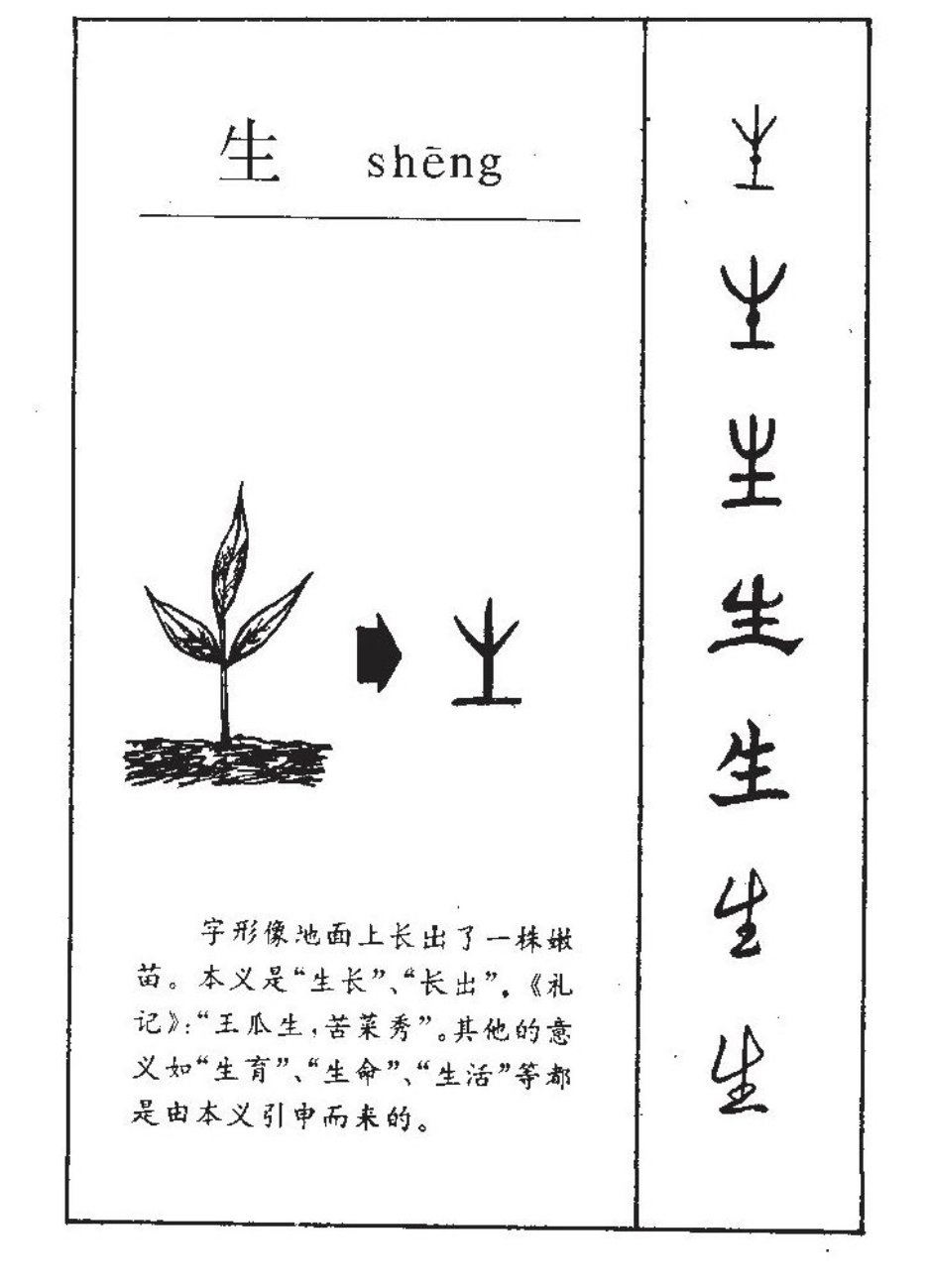
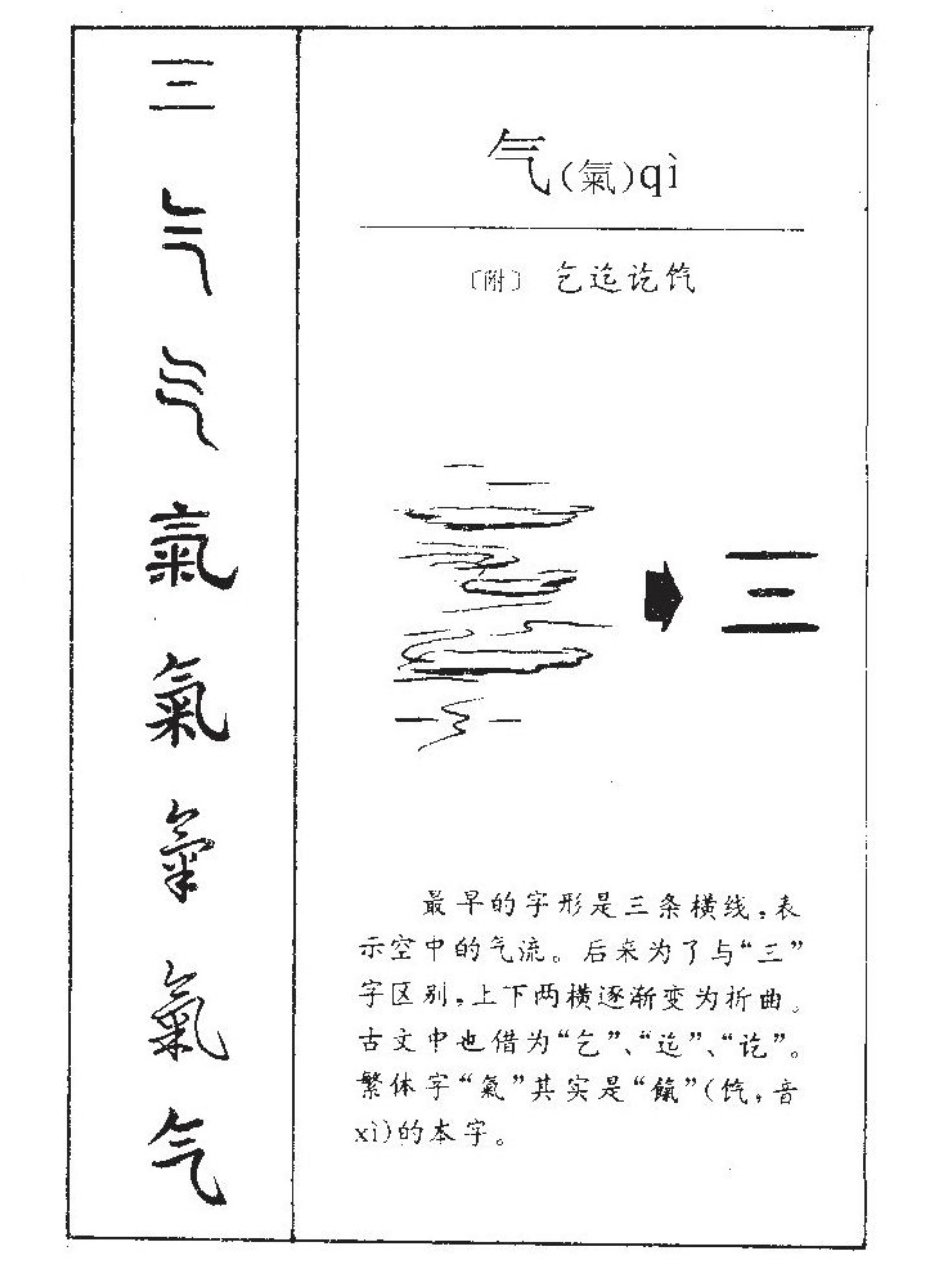
The way to manage anger is to practice being attuned to the growing energy within us. Somatically, when a person is standing especially in a posture ready to take action (a body ready to move forward), it is this body disposition that drives productivity as well as fuels anger. If we want to diffuse anger, a possible intervention includes bringing our body downwards / backwards by sitting down or leaning back, kneeling, squatting etc to counter the birth or growth of the energy. This intervention can be applied during a conflict to diffuse your own anger.
怒 (Nu) - This character means “anger or rage” in Chinese. If we break down the writing of this character into two parts, we can see that on the top is the character 奴, which means “slave”. The bottom is the character 心 which means “heart”. This character basically means “a heart’s response when justice is not served (like being enslaved)”.
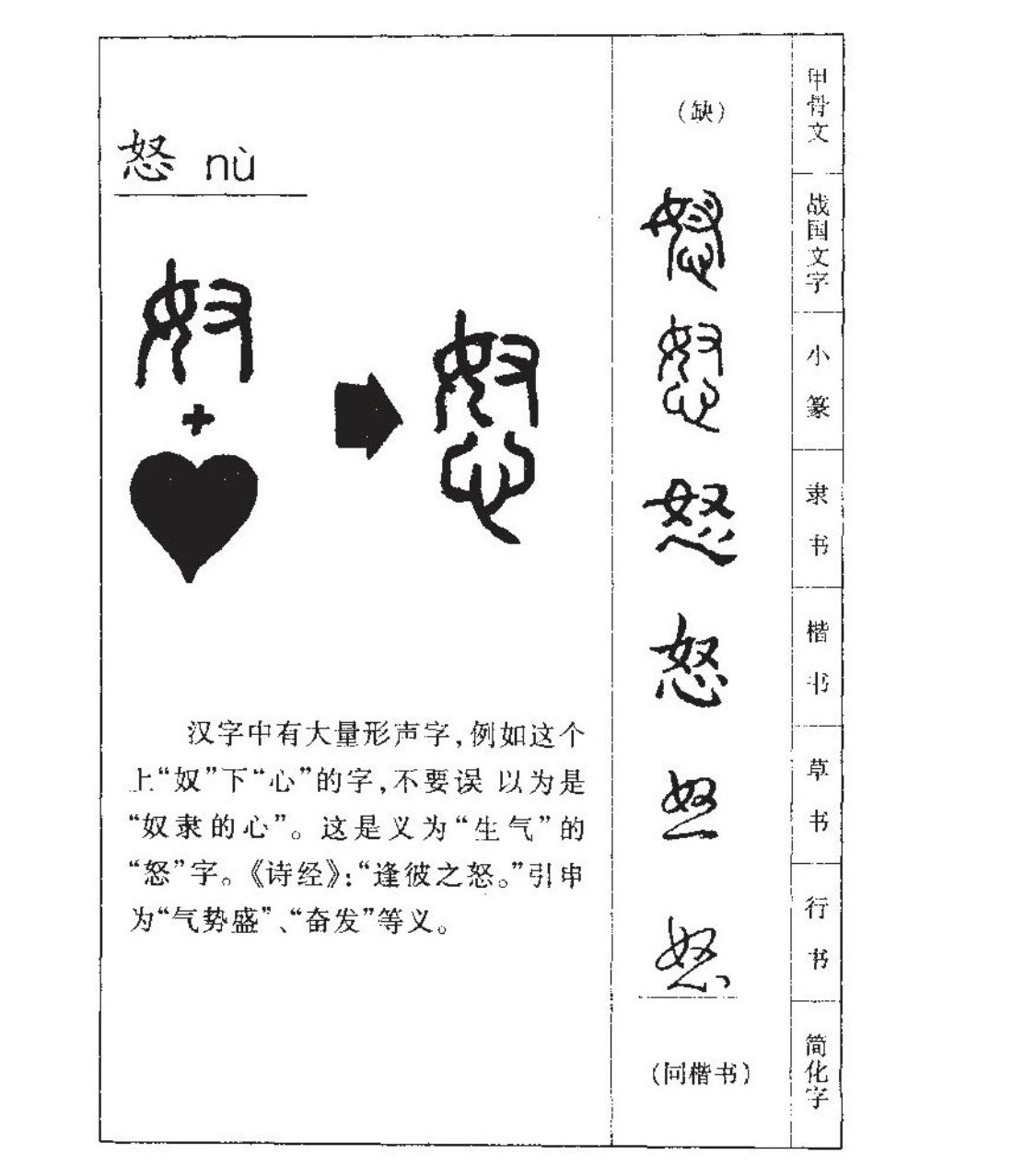
This gives us the idea that one of the purpose for anger as an emotion, is to propel us towards fighting injustice. When anger is harnessed effectively, we are able to intervene when there is bullying, oppression etc. Rather than judge the anger as a negative emotion, I often find it more useful in my coaching practice to help a person explore how the energy could be channeled productively.
Questions I have used to help someone explore anger:
What do you feel within your body feel whenever you get angry?
Who usually bears the brunt when you channel your anger in a not so productive way? How can you channel your anger more productively?
What are some areas of injustice you observed happening (at work)? How do you use your anger to intervene and fight the injustice?
What are some actions, behaviors or words that usually trigger your anger? What do you notice about your anger patterns?
Happy
In Atlas of the Heart, Brene Brown writes that there’s really no consensus in the research when it comes to defining happiness. When I looked into the different ways happiness is expressed, I found many different ideas as well. Here are three examples.
开心 (Kai Xin) - These two characters combined means “happy” in Chinese.
开 means open (seen from the picture of a door about to be opened).
心 means a human heart.
The description of these two combined characters basically means “the opening of a person’s heart”.
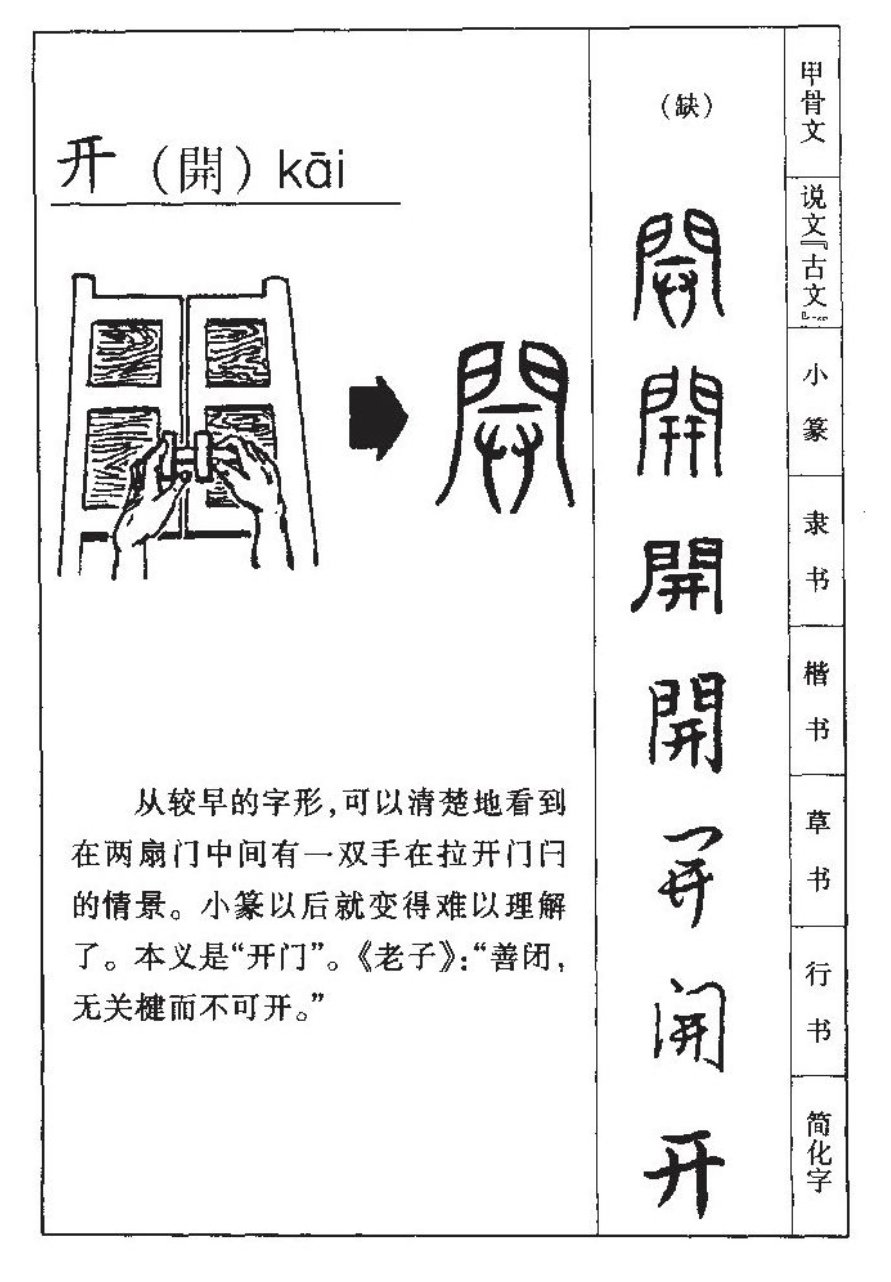
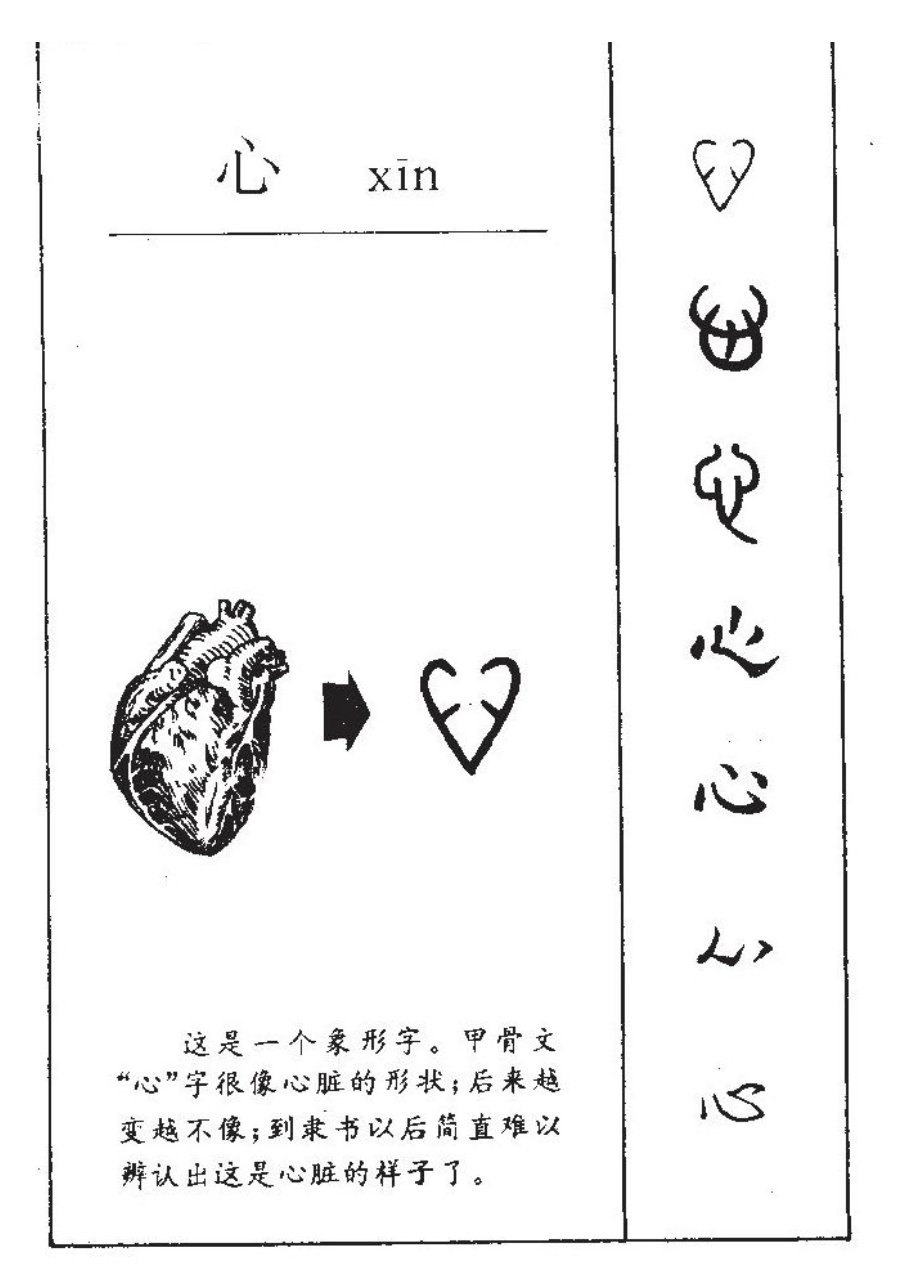
My own interpretation from this is that the capacity to experience happiness is strongly tied to the ability of a person to open up his or her heart to be vulnerable. When a person’s heart is opened (as opposed to closed), love and experiences of pleasure can be more easily received.
As an ontological coach, a possible design intervention for a person who wants to experience more happiness includes this somatic practice:
the opening up of the shoulders, or stretching of the arms wide to expand the chest area (and therefore the physical heart). The idea is that when the body becomes more open (especially at the chest area), the mind follows the body to expand the ability to be open towards others. Happiness is possibly a byproduct or a fruit from this somatic practice.
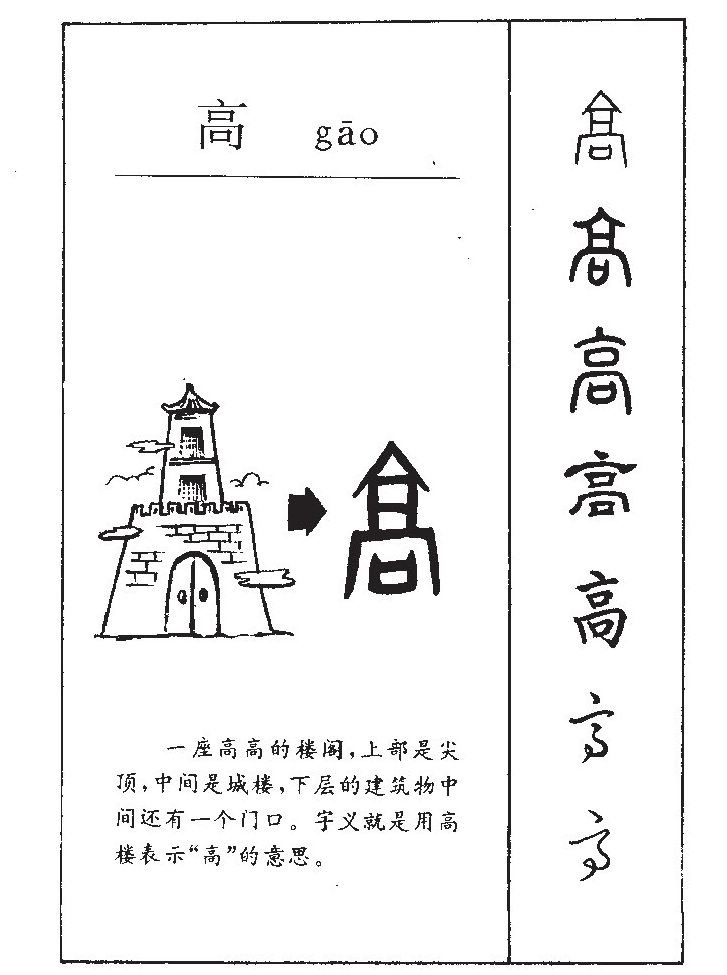
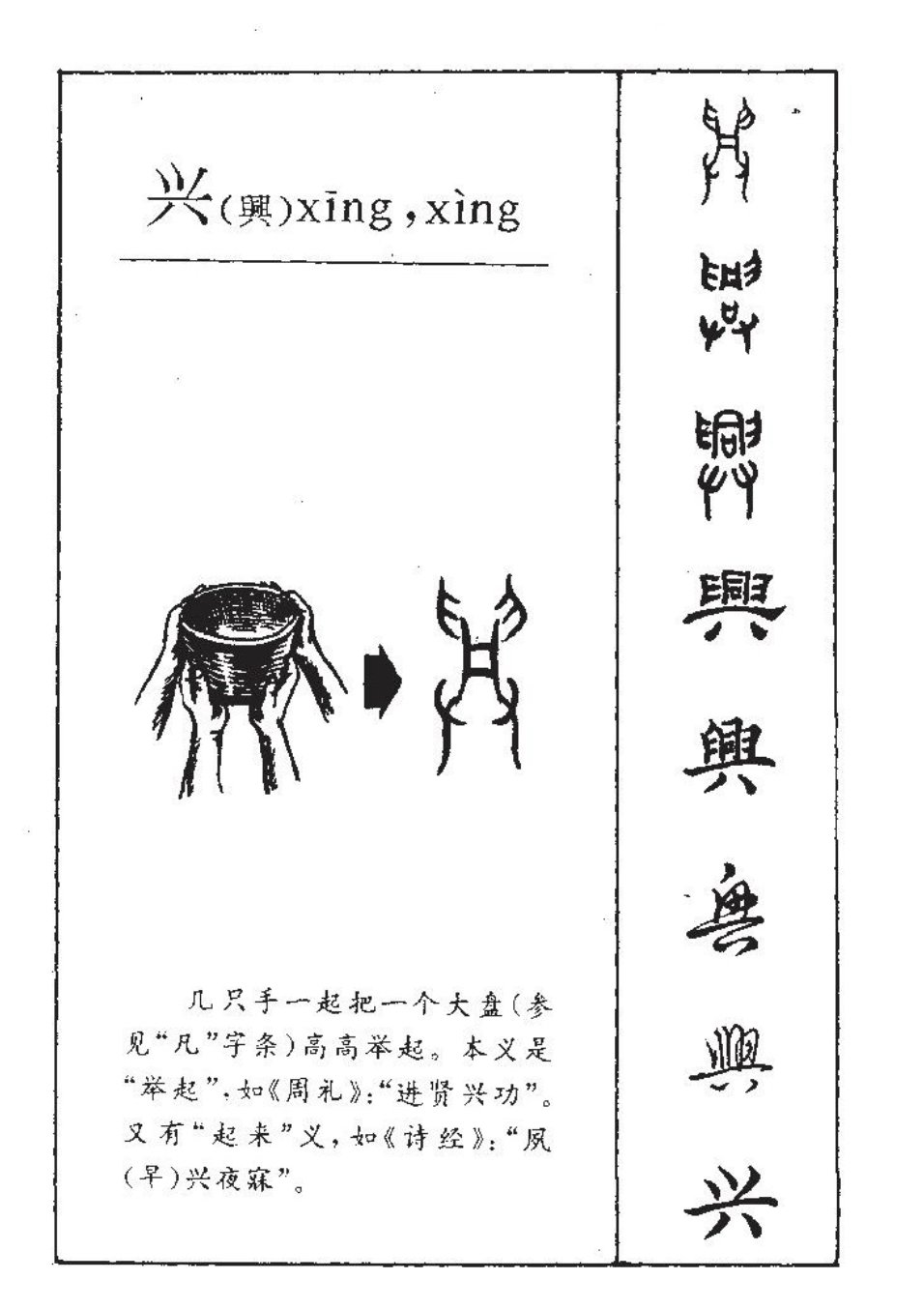
高兴 (Gao Xing) - These two characters also means “happy”.
高 means high/tall as seen from the picture of the tower.
兴 is a picture of many hands holding up a dish together as a celebratory act
From these two characters, the emotion of happiness can be interpreted as an emotion experienced from heightened state of togetherness, inclusion and unity. Happiness can thus be practiced when one is purposefully engaged in activities that bring togetherness and activities that foster inclusion and a sense of belonging.
快乐 (Kuai Le) - This is the third pair of Chinese characters combined to mean “happy”.
快 - This word has two meanings. It can mean fast or speedy. It can also mean the airflow towards the heart is smooth and unblocked.
乐 - This character means rhythm or music as shown by the picture of a Chinese musical instrument.
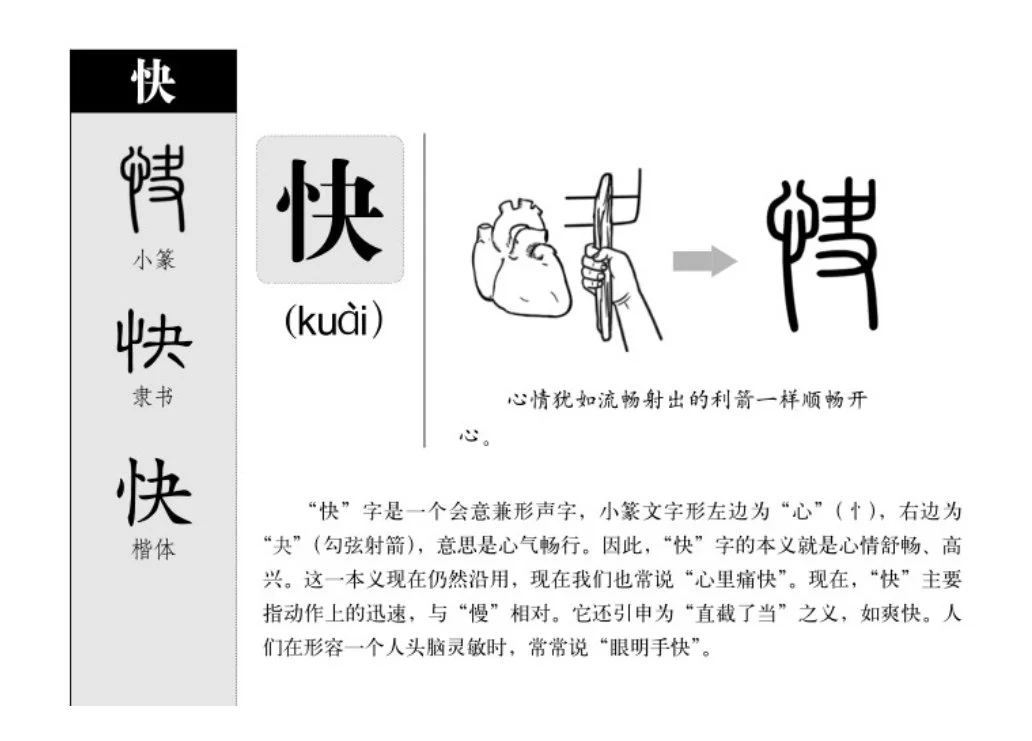

When these two characters are combined, they basically described things are smooth sailing like a piece of music played in perfect rhythm. As an ontological coach, I personally experienced happiness whenever I helped someone get “unstuck”. The feeling is similar to the description of the airflow being unblocked and the heart comes alive again. I personally found this discovery to be very fascinating.
Another way to read these characters is that they combined to mean “rapid / fast-paced” AND “rhythm/music”. Interestingly, music does affect our moods and celebratory music are often filled with fast rhythms.
It is worthy to note that we can practice changing the mood and emotion (of an environment or of a person) to a more light hearted one by the intentional use of music.
Fear
Fear can be defined as an emotion experienced when one assessed that something valuable could be potentially lost.
怕 (Pa) - From the picture, this character describes the heart as empty and there is a loss of something of great value, something very precious to a person’s heart. Other than fear, this particular character also means “worry” in the Chinese language context. From this character alone, it is quite interesting to observe that fear and worry often come as a pair.

As a coach, applying this knowledge allows me to help a person explore fear by examining what is of great value and precious to the person’s heart. Simply by asking a question such as “what is of great value to you that you fear losing?”, the conversation becomes a very rich one. I also discovered through my coaching sessions, a conversation about fear and worry often leads to a deeper examining of relationships and items that are of great value to a person. And this further leads on to whether a person’s life is aligned to his / her value system.
In summary: Having struggled with naming and understanding emotions, I have a firm belief that helping others name and understand their emotional life can bring significant breakthroughs. I hoped you have benefitted just as I have after researching about the Chinese language and human emotions. I have certainly expanded my own knowledge and abilities as an ontological coach.

Written by Victor Seet
Activator • Communication • Strategic • Self-Assurance • Command
As a Gallup and Newfield Certified Leadership Coach in Singapore, Victor is passionate about helping people be better observer of themselves to achieve the results they want, especially in the area of well-being and performance. Victor intentionally integrates the strengths-based and ontological approach into his leadership coaching and workshops.
**sources:
Atlas of the Heart by Brene Brown;
www.chaziwang.com.

How do I do Meaningful and Purposeful Work?
Many professionals feel they are busy but not fulfilled, working hard but not sure it means anything. Singapore Ontological and CliftonStrengths coach Victor Seet shares the questions that help his coaching clients move from feeling purposeless to finding genuine meaning in their work.

Gallup reported that many want to have meaningful and purposeful work. Have you been pondering about meaning and purpose at work in this season of your life?
If you are, I will like to invite you to stop, reflect and consider these three key questions:
What does meaningful or purposeful work mean to you?
Is it about finding work activities that motivate you?
Is it about connecting personal values to the work you are tasked to do?
Is it about connecting your work to a higher purpose (saving the earth, serving my country, living out my faith etc)?
Is it about building meaningful relationships at work?
Is it about doing work that meets the needs of the society and getting paid for it?
There are many variations of doing meaningful work and it is important that we know what meaningful and purposeful work mean to us.
2. How often do you do work on yourself?
Doing and Being are connected as closely as thinking and feeling. We can’t have one without the other. DOING meaningful work doesn’t happen without integrating with our BEING and Identity. Doing meaningful work (externally focused) is strongly tied to doing work on our Being (internally focused - examining our values, beliefs, mindset, attitudes, moods and emotions, strengths and weaknesses, blindspots etc). The two words “meaningful work” involve intentional and thoughtful work.
Behind our Being and Doing are a set of skills and habits that we acquired over the course of our lives. Examining these skills and habits regularly helps us to build stronger foundations and capacity to grow.
I will like to invite you to ponder the below questions.
Do you think about your thinking and how to improve the quality of your thinking?
Do you examine your habits and how they have enabled you to grow? Are you in need of building new habits to grow your capacity?
Do you examine your emotional habits and notice your mood patterns? How do your emotional habits empower or disempower you in doing purposeful, productive work or deeper relationships?
Do you actively get feedback and be curious about your strengths and areas that you can intentionally develop?
Do you learn about the way you learn to actively adapt in a volatile, uncertain, complex and ambiguous world?
Do you examine and test how your lifestyle and decisions are aligned with your value system?
3. How much do you invest in your own growth?
We spent money, time and energy in many areas - our family, physical health, financial health, romance, hobbies, career progression etc. How much do we invest in our own development and growth?
Think about this: Why do some people invest in themselves through
coaching;
therapy;
personal development and training programs;
spiritual retreats (just to name a few examples)?
Why do some people invest time, energy and money in developing themselves and some do not? Which category do you belong to and why? What do you think is the relationship between your own personal growth and all the other areas that you are investing resources in?
A Coaching Story:
In a particular coaching session which sparked this article, a client (let’s called him M) articulated that whenever he thinks about his career, he will unconsciously switched to a particular thinking pattern - that of considering risks, scenarios of possible failures and his level of competencies and skills.
I asked M: “how does this way of thinking serve or not serve you when you are pondering about your career?”
The response was interesting: “This way of thinking is prudent, down to earth and pragmatic and it helps me to be careful about my future choices. It also does not help me dream big.”
As M verbalized his thoughts, it dawned on him that this thinking pattern might not serve him in the area of dreaming about his future. He desired a new way of thinking to broaden his horizon of possibilities. He acknowledged that he needed to work on his thinking habits and build new ones to increase his capacity to dream.
I asked M: “what kind of thinking pattern or mindset have you used in the past to help you move ahead despite uncertainties?”
M: (Pause)….I can learn as I go along…and I have done this many times in the past. That has helped me overcome my fears in uncertainties. Perhaps I can explore my career by looking back at the different skill sets I have picked up successfully and what new skills I need to pick up. I don’t have to be restricted by the current set of skills I have when I explore a career path.
Ending note: I love how M shifted his perspective and the smile he had on his face as he discovered a new possibility in his thinking. Doing meaningful and purposeful work involves intentional and thoughtful work. Doing self-work is often the starting point in the whole process. When we get do work on our BEING, what we need to DO becomes much clearer.
Written by Victor Seet
Activator • Communication • Strategic • Self-Assurance • Command
As a Gallup and Newfield Certified Leadership Coach in Singapore, Victor is passionate about helping people be better observer of themselves to achieve the results they want, especially in the area of well-being and performance. Victor intentionally integrates the strengths-based and ontological approach into his leadership coaching and workshops.